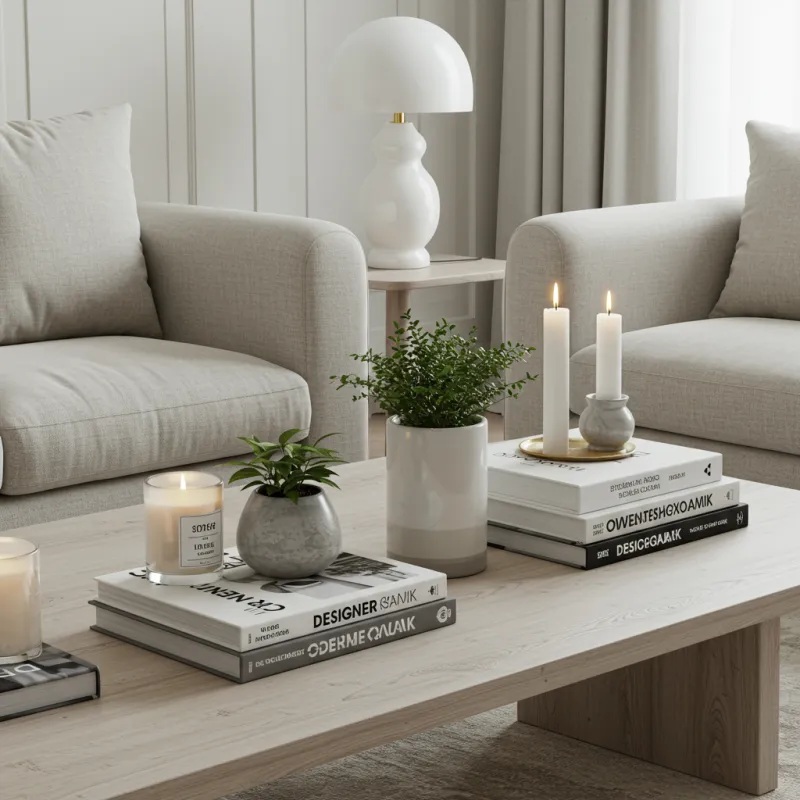
Nobody Actually Lives Here: The Staged Homes Flooding Your Feed
That 'effortlessly lived-in' kitchen took six hours to style and has never seen a dirty dish. Inside the theater of aspirational interiors — and what it's doing to how we actually live.
Category
13 articles
That 'effortlessly lived-in' kitchen took six hours to style and has never seen a dirty dish. Inside the theater of aspirational interiors — and what it's doing to how we actually live.
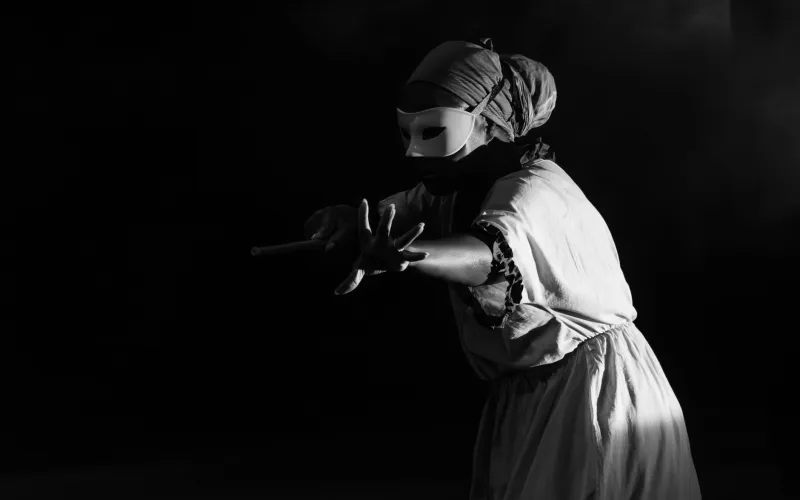
From Bowie's Berlin exile to Virgil Abloh's leap from streetwear to Paris couture, radical reinvention is the riskiest move in creative work. We break down seven mid-career pivots — the wins, the disasters, and the receipts.
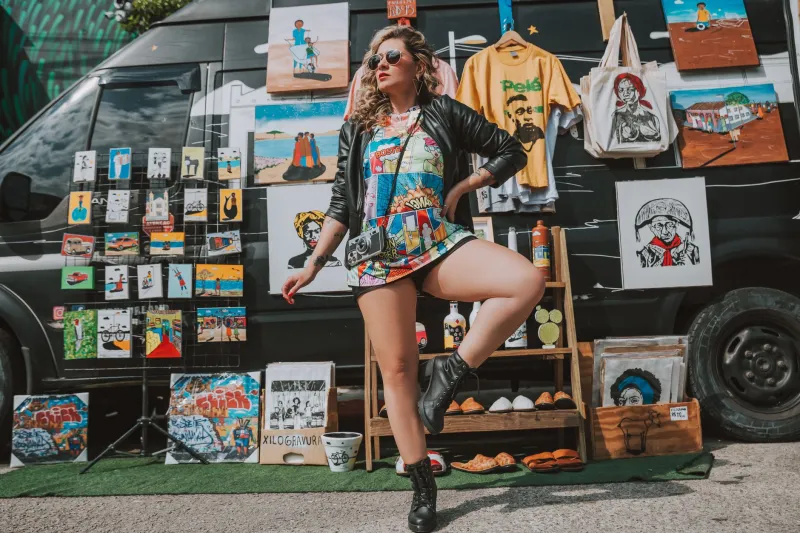
The middle-class art market didn't fade — it was killed. But in parking lots, zine fairs, and subscription threads, a scrappier replacement is being built in real time.
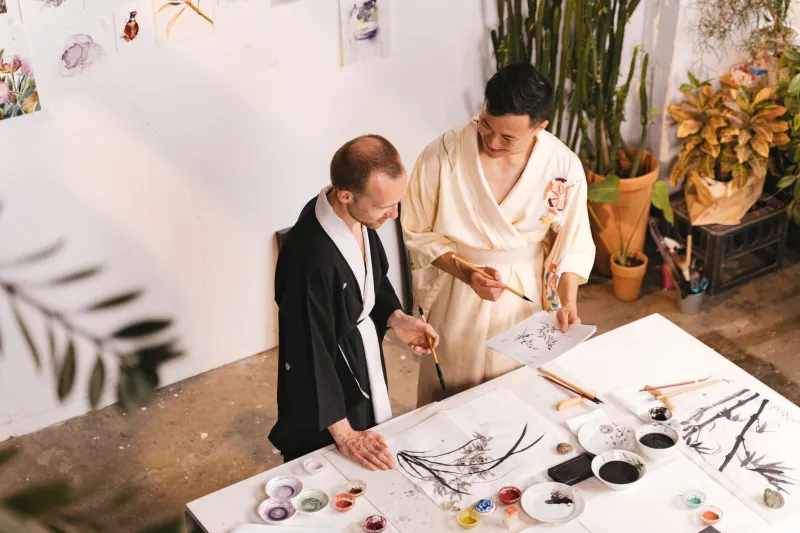
Creative collaborations look great on paper and even better in press releases. But somewhere between the mood board and the final product, something essential usually gets left on the cutting room floor. The question nobody's asking is whether the whole thing was a bad idea from the start.
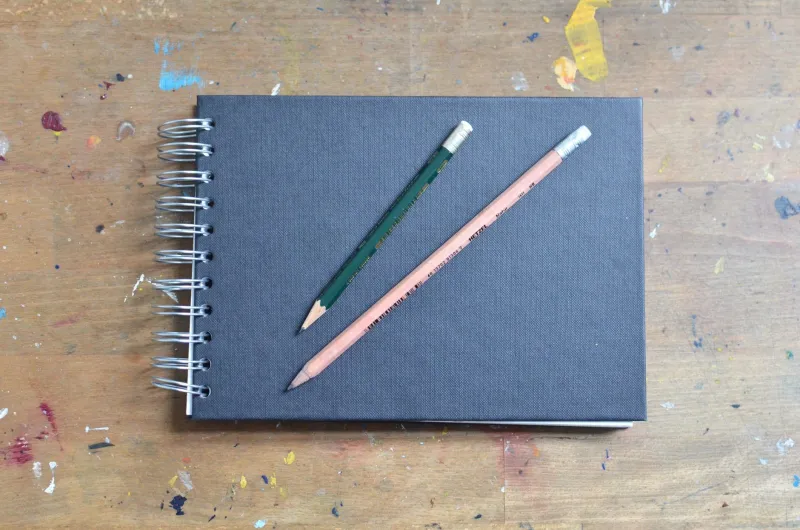
Every creative person has a folder they don't talk about — the one full of half-finished projects, scrapped concepts, and ideas that almost became something. We treat this pile as evidence of failure. We've got it completely backwards.
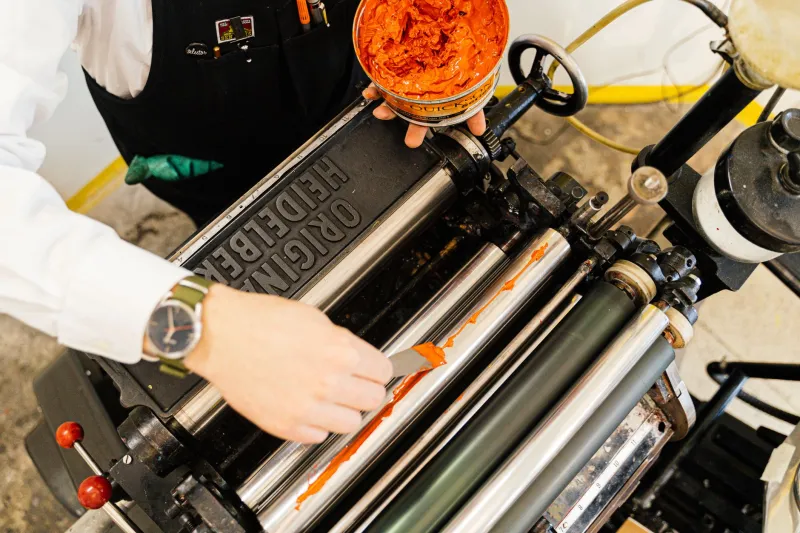
Something strange is happening in studios across the country: designers who've spent years working entirely on screens are buying letterpress equipment. Digital illustrators are photographing crumpled paper and scanning paint drips. Creatives raised entirely on software are suddenly obsessed with the feel of things. It's worth asking why — and whether the answer is as simple as it looks.
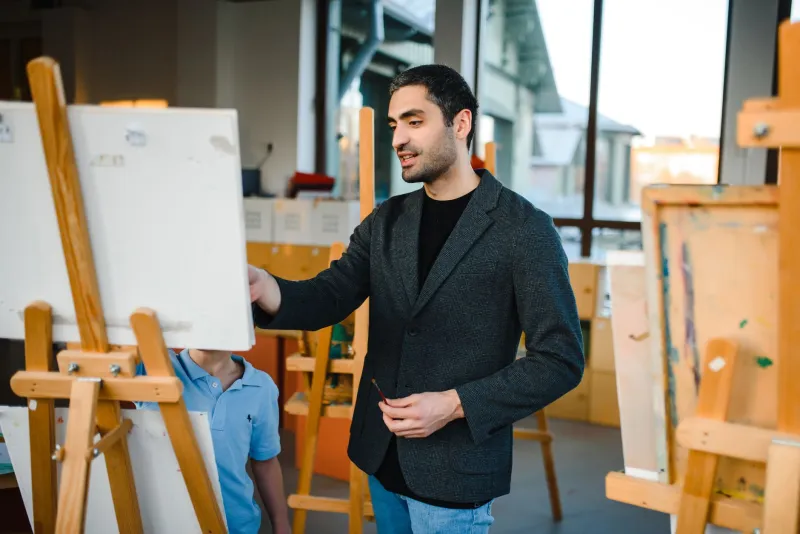
Finding a real creative mentor used to be hard. Now it might be nearly impossible. As the creator economy flattens hierarchies and turns every artist into a personal brand, the genuine transmission of craft from one generation to the next is quietly disappearing — and emerging artists are paying the price.
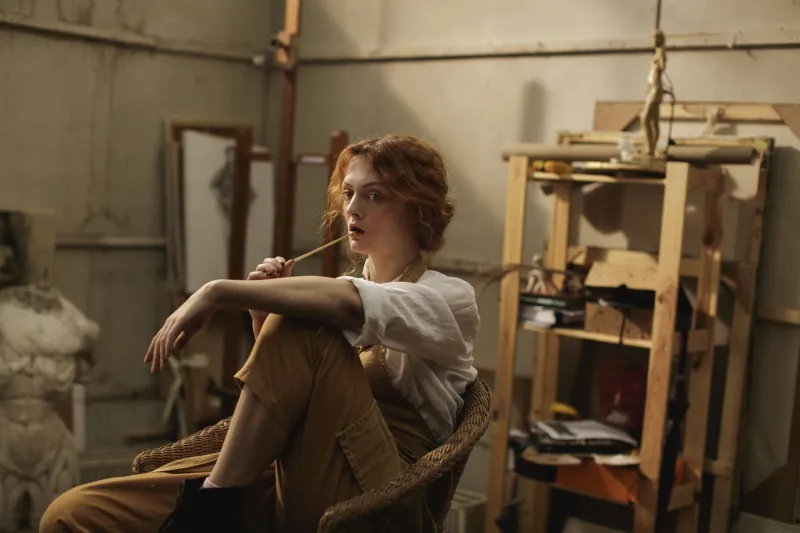
Somewhere between the tearful Instagram confessional and the carefully lit 'messy studio' photo, vulnerability stopped being honest and started being strategy. We've entered an era where showing your failures is just another content format — and the creative world is only beginning to reckon with what that costs us.
A growing wave of established creators is quietly logging off from the metrics game and returning to work that answers to no one but their own creative instincts. It's a risky move in an attention economy that punishes silence — and it might be the most artistically honest thing happening right now.

Artists have always had an audience in mind, but something shifted when that audience moved into the studio. The pressure to broadcast your process in real-time hasn't just changed how creators share their work — it's quietly rewriting what they're willing to make in the first place.
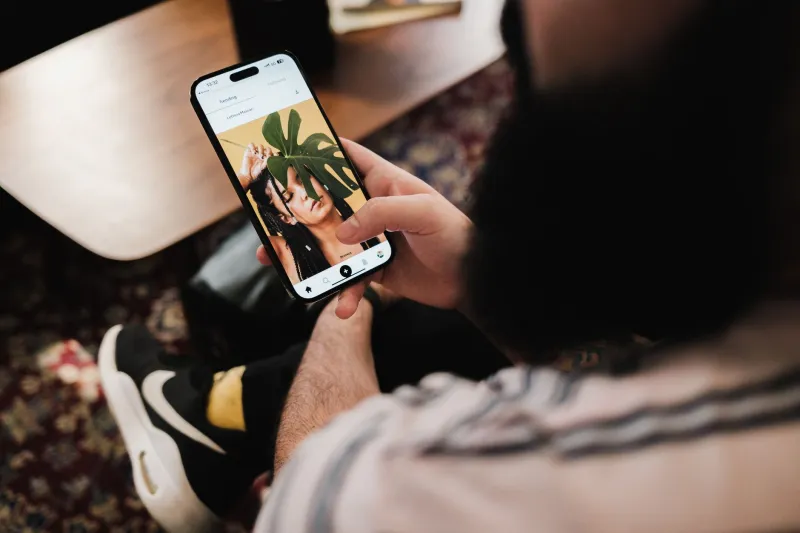
The internet promised us infinite creative possibility, then quietly handed the keys to a machine that rewards repetition over risk. Artists across every platform are waking up to the same uncomfortable truth: your aesthetic isn't yours anymore — it belongs to the feed.

We've spent years demanding that creators 'just be themselves' online — but what if the most strategic, polished personal brands are actually the most honest expressions of who someone is? The authenticity conversation is due for a serious reframe, and Gen Z is already miles ahead of us.

For decades, a handful of institutions decided what counted as real art, real fashion, real cinema. Then TikTok happened. The old gatekeepers are scrambling, a new generation of creators is rewriting the rules in real time, and the question nobody wants to answer out loud is whether we actually traded up — or just swapped one set of gatekeepers for a quieter, more algorithmic one.